
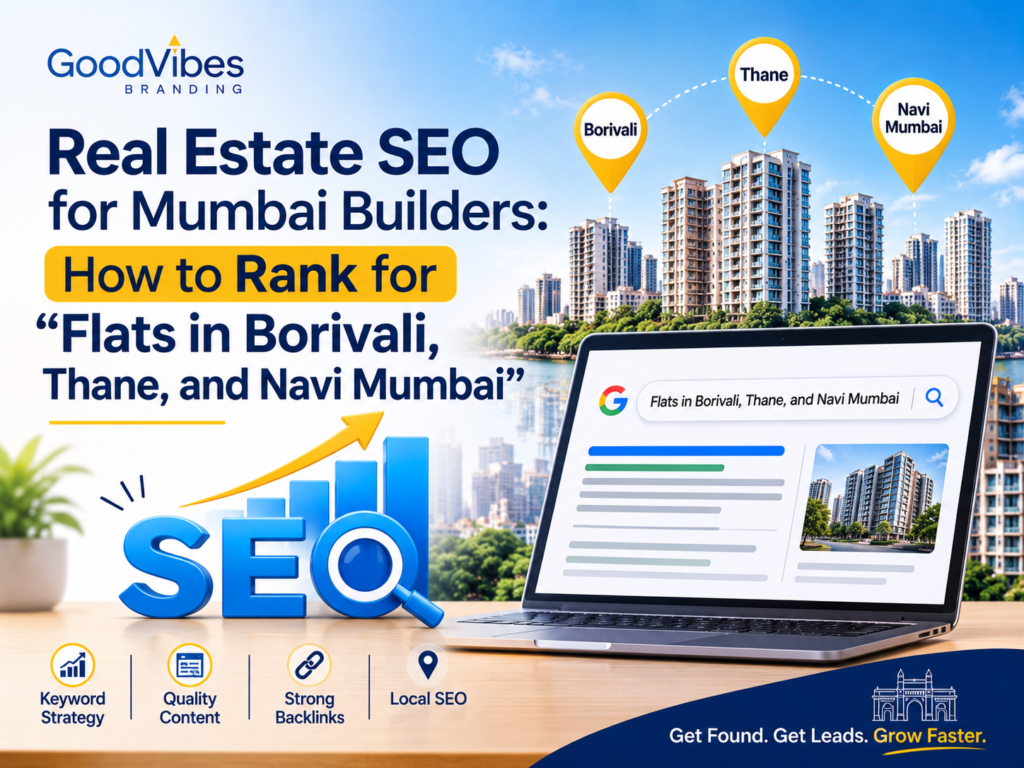
Real Estate SEO for Mumbai Builders: How to Rank for “Flats in Borivali, Thane, and Navi Mumbai”
Most Mumbai builders assume that ranking on Google means winning the keyword “flats in Mumbai”. It doesn’t. Almost nobody buying a home searches that broadly, and the sites that rank for it are usually portals with far more authority than a single developer.
In 2026, the real opportunity is narrower and far more profitable: the specific searches buyers make once they’ve chosen a micro-market, like “2 BHK flats in Borivali”, “new launch Thane” or “ready possession Navi Mumbai”. Buyers also ask ChatGPT, Gemini and Google AI Overviews for shortlists before they visit a single website.
In this guide, we’ll break down how real estate SEO works for Mumbai builders: project pages, micro-market location pages, Google Business Profile and reviews, plus a simple page structure you can copy.
Why Real Estate SEO Is Becoming Impossible to Ignore
Paid leads get more expensive every year, while organic visibility keeps working after the budget stops. This matters now because:
- Buyers research for weeks or months before enquiring, and much of that research starts on Google
- Portals dominate broad searches, so builders must win on specific project and locality searches
- AI tools quote clear, local, well-structured pages when recommending projects and areas
- Organic enquiries usually cost less over time than paid ones, and the pages keep working
In short, SEO won’t replace your ads, but it’s the one channel that gets cheaper the longer you invest in it.
1. Project Pages – One Strong Page per Project
Every project needs its own dedicated page, not a section on a crowded homepage. This page is the one that should rank for searches like “[project name] Thane” and convert the visitor into a site-visit enquiry. A strong project page includes:
- A clear title and heading with the project name, locality and configuration, such as “2 & 3 BHK Flats in Borivali West”
- The MahaRERA registration number, website and QR code placed as the rules require
- A short, honest overview with price range, carpet areas, possession status and developer name
- Floor plans, amenities and a walkthrough video with descriptive file names and alt text
- Connectivity and nearby landmarks written for a buyer, not copied from a brochure
- A FAQ section answering real questions on pricing, loans, possession and payment plans
- A simple enquiry form and a WhatsApp button that work well on mobile
Most buyers arrive on a phone, so speed and clarity decide whether this page ranks and converts. A project page should answer every question a serious buyer would ask before calling.
2. Micro-Market Location Pages – Win the Search Before the Project Name
This is where most Mumbai builders leave the most traffic on the table. Buyers searching “flats in Borivali” or “flats in Thane” don’t yet know your project, so you need pages about the locality itself that lead naturally to your projects. This means building one page for each micro-market you sell in, such as Borivali, Thane, or Navi Mumbai, and covering:
- An honest overview of the area: who lives there, typical price ranges and lifestyle
- Connectivity: railway stations, metro lines, highways and the commute to business districts
- Schools, hospitals, malls and daily conveniences within a realistic distance
- Price trends and what different budgets can buy in that locality
- Your projects in the area, linked directly to their project pages
- A FAQ using the questions buyers actually ask
Go deeper where you can, with sub-area pages such as Borivali East versus Borivali West, or Kharghar versus Panvel in Navi Mumbai. Don’t create near-duplicate pages with only the locality name swapped, because thin pages like that rarely rank and can drag the whole section down.
A good location page becomes the starting point of the buyer’s journey, and it feeds the AI tools that summarise localities for people. The more specific and accurate it is, the more likely it is to be quoted.
3. Google Business Profile – Be Found on Maps and "Near Me"
When someone searches “builders in Thane” or “new projects near me”, Google often shows a map pack before any website. A Google Business Profile for your sales office or project site puts you in it. This means you should focus on:
- Creating a profile for each staffed sales office or site office, not one generic listing for the whole company
- Choosing accurate categories and writing a clear description with the locality and project name
- Keeping the name, address and phone number identical on your website, listings and profile
- Adding fresh photos of the site, sample flat and construction progress
- Posting updates on launches, offers and possession milestones
- Answering questions and messages quickly, ideally within minutes
Be careful to list only real, staffed locations with an accurate address, since Google can suspend profiles that look misleading. A well-kept profile is one of the cheapest ways to appear when buyers are close to deciding.
4. Reviews and Trust Signals – Why Buyers Believe You
Buying a home is a big decision, and buyers look for proof that a builder delivers. Reviews and trust signals influence both rankings and conversions. This means builders should focus on:
- Asking buyers for Google reviews at key moments, such as registration, handover and after possession
- Responding to every review, including critical ones, politely and specifically
- Showcasing completed projects, delivery history and awards on the site
- Adding genuine customer testimonials, with permission, on project and location pages
- Displaying MahaRERA details clearly, since buyers check registration before they trust a builder
Never buy, fake or incentivise reviews in a way that breaks Google’s policies, because it can remove your reviews and damage your profile. Authentic reviews that mention the project, locality and experience help your pages and the AI tools that summarise builders for buyers.
A Simple Page Structure to Copy
A clean structure helps search engines and AI tools understand which pages belong together. Use a three-level layout, with each level linking to the next:
/real-estate/ (hub: all your projects and areas)
├── /flats-in-borivali/ (micro-market page)
│ ├── /flats-in-borivali-east/ (sub-area page, if needed)
│ └── /project-name-borivali/ (project page)
├── /flats-in-thane/
│ └── /project-name-thane/
└── /flats-in-navi-mumbai/
└── /project-name-navi-mumbai/
Then follow this order on every page type:
- Put the locality or project name, plus the configuration, in the title and heading
- Show the MahaRERA number, website and QR code in the top-right area
- Open with a two-line summary a buyer can read in seconds
- Add the details: price range, carpet area, possession, amenities and connectivity
- Link up to the micro-market page and across to nearby projects and areas
- Finish with FAQs, reviews and a clear enquiry or WhatsApp button
Keep the pattern the same on every page, so new projects and areas can be added without redesigning anything.
What This Means for Builders Going Forward
Ranking for “flats in Borivali, Thane and Navi Mumbai” isn’t about one clever keyword. It comes from a clear structure: a page for every project, a page for every micro-market, an active Google Business Profile and genuine reviews, all saying the same accurate things.
Builders who build this foundation now will keep collecting organic enquiries and AI recommendations long after a paid campaign ends. Those who wait will keep paying portals and ad platforms for the same buyers.
Why Choose Goodvibes Branding
At Goodvibes Branding, we believe real estate visibility in 2026 means being the answer buyers find on Google, on Maps and inside AI tools, not just a paid ad they scroll past.
Our SEO agency team builds the project pages, micro-market content, technical structure and Google Business Profile work that earn organic enquiries, while our real estate marketing specialists align those pages with your launches and sales goals.
As a leading Digital Marketing Agency in Mumbai, we stay ahead of how buyers search so our clients don’t have to.
Contact us today to discover how our data-driven marketing solutions can help your projects rank for the searches that bring serious buyers.
Latest Post
-
Real Estate SEO for Mumbai Builders: How to Rank for “Flats in Borivali, Thane, and Navi Mumbai”
-
 MahaRERA Advertising Rules: A Marketing Checklist for Mumbai Developers and Brokers
-
 Meta Ads vs Google Ads for Property Launches in Mumbai: Which Should Developers Use?
-
 Real Estate Lead Generation in Mumbai: 7 Channels That Bring Serious Buyers (2026)
-
 WhatsApp Marketing for Small Businesses: Campaigns That Get Replies in 2026
-
 Post-Diwali Marketing: How Mumbai Brands Keep Festive Customers Coming Back
-
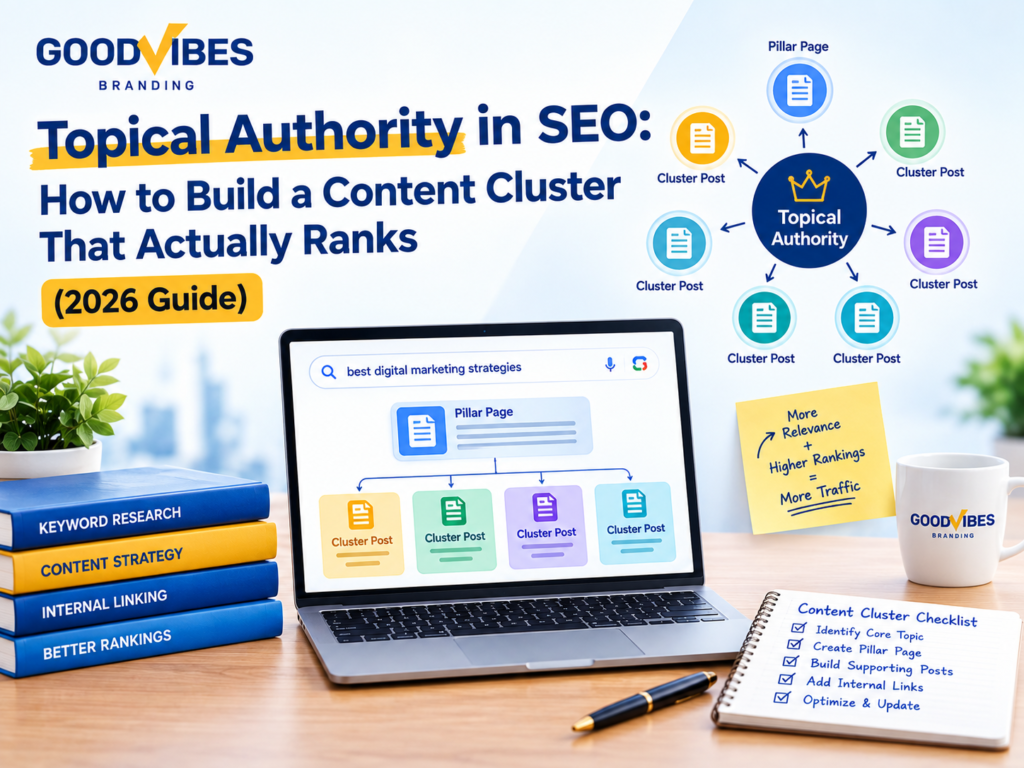 Topical Authority in SEO: How to Build a Content Cluster That Actually Ranks (2026 Guide)
-
 15 Google Business Profile Optimizations Every Local Business Should Be Making in 2026